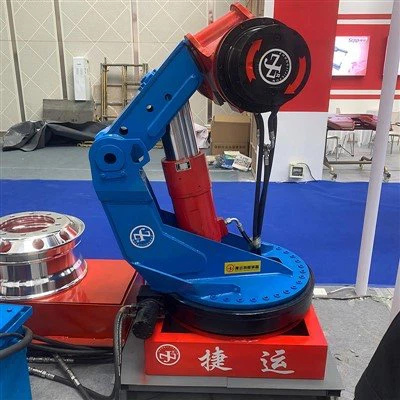
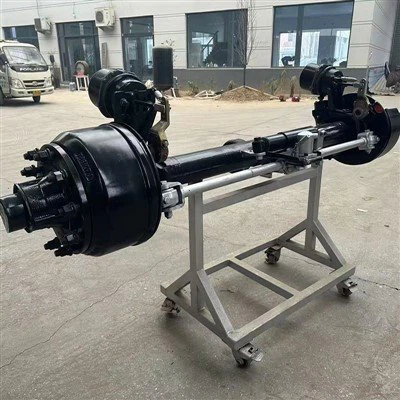
Suspension components are key parts used to connect and support a vehicle's suspension system, primarily for shock absorption, cushioning, and maintaining vehicle stability. These components are typically made of high-strength materials, such as hot-rolled B510L steel, to ensure durability and impact resistance. Suspension components have a wide range of applications, including automobiles, trucks, and construction machinery, and their performance directly affects vehicle comfort and safety.
The choice of material for suspension components is crucial. B510L is a high-strength low-alloy steel with good toughness and weldability, making it suitable for automotive parts. The hot-rolling process results in a smooth surface and uniform internal structure, enabling it to withstand significant dynamic loads. Furthermore, suspension components are available in various specifications, with thicknesses ranging from 1.2mm to 10mm, widths from 1250mm to 1500mm, and lengths customizable to meet customer needs, offering high flexibility.
Processing services for suspension components include leveling, which involves cutting coils into flat sheets for subsequent processing. Their quality grade is A, conforming to national standards to ensure product consistency and reliability. Nationwide delivery services are available for convenient customer access to the products needed. The suspension components are packaged in high-quality steel packaging with an FA (acid-pickled) surface treatment, further enhancing their rust resistance and aesthetics.
When selecting suspension components, it's crucial to ensure their materials, specifications, and processing services meet your requirements. For example, automotive parts typically require higher precision and surface quality, while construction machinery parts prioritize strength and durability. Furthermore, the installation and maintenance of suspension components must adhere to relevant standards to ensure their performance and lifespan.
The working principle of suspension components is to absorb and disperse road impacts through elastic deformation, reducing vehicle vibration. Their components include shock absorbers, springs, and linkages, collectively forming a complete suspension system. During use, it's essential to regularly inspect the components for wear and deformation, promptly replacing damaged parts to prevent safety hazards.