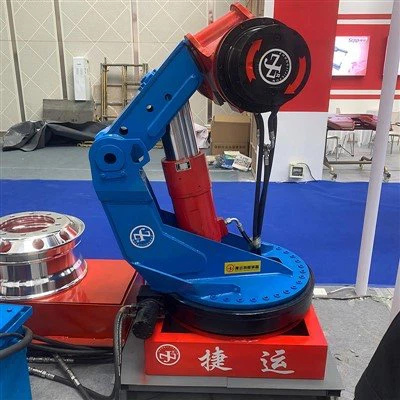
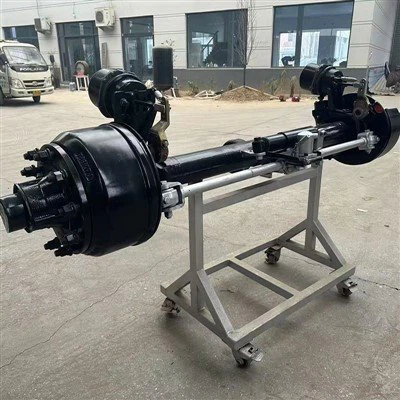
A vehicle axle typically consists of components such as the axle housing, final drive, differential, half-shafts, and wheel hubs. Power is transmitted from the engine to the final drive via the transmission, then distributed to the left and right half-shafts through the differential, ultimately driving the wheels. The differential design allows the wheels on both sides to rotate at different speeds, ensuring that the difference in the trajectory of the inner and outer wheels is compensated when the vehicle is cornering, avoiding tire wear or increased rolling resistance. Furthermore, as the main load-bearing structure, the axle housing must possess sufficient rigidity and fatigue resistance to withstand the impacts of complex road conditions.
The technical parameters of the axle components must be matched to the vehicle's intended use. For example, passenger car axles prioritize lightweight design and NVH (noise, vibration, and harshness) control, employing aluminum alloy axle housings or low-noise gear designs; while commercial vehicle axles emphasize load-bearing capacity and durability, extending service life through high-strength alloy steel and enhanced lubrication systems. Some high-end models integrate electronic differential locks or active torque distribution functions, using sensors to monitor wheel slippage in real time and dynamically adjust power output to improve off-road or slippery road passability.