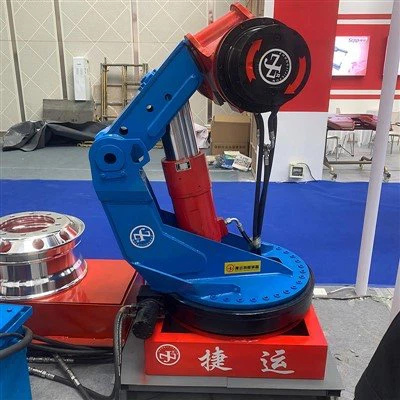
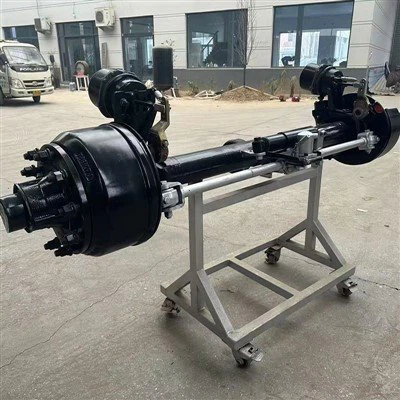
The main function of the various components of the suspension system is to transmit forces between the wheels and the chassis, and to mitigate the impact of uneven road surfaces, thereby reducing vibrations and ensuring a smooth ride.
In short, the suspension system consists of all the force-transmitting components connecting the wheels and the chassis. This system not only transmits forces between the wheels and the chassis but also cushions road impacts and reduces vibrations, thus ensuring ride stability. Its typical structure includes elastic components, guiding devices, and shock absorbers; some designs also incorporate bump stops and stabilizer bars. There are many types of elastic elements, such as leaf springs, air springs, and coil springs. Modern cars mostly use coil springs and torsion bar springs, while high-end models may use air springs. The suspension system is crucial to a car's performance.
Although it may appear simple, it is actually a highly complex assembly that needs to balance comfort and handling stability-a delicate balance often exists between the two.
A non-independent suspension system is characterized by the wheels on both sides being connected by a solid axle, with the wheels and axle both suspended under the chassis by elastic suspension. While simple, low-cost, and strong, this type of system is rarely used in modern passenger cars due to limitations in comfort and handling; it's more commonly found in trucks and buses.
Independent suspension systems, on the other hand, have each wheel independently suspended from the frame or body by elastic suspension. The advantages of this system are its light weight, low impact, strong traction, and improved ride comfort through softer springs. Furthermore, it lowers the engine position and the vehicle's center of gravity, thus improving driving stability. However, its structure is complex and expensive, and maintenance is relatively inconvenient. Modern passenger cars mostly use this system, and it comes in various types based on structural differences, such as transverse arm, longitudinal arm, and multi-link.