In today's automotive and transportation industry, vehicle performance is no longer measured only by engine power or fuel efficiency. Comfort, stability, safety, and driving control have become equally important factors for manufacturers and users. Behind these improvements, the suspension system plays a critical role. Among different suspension technologies, Mechanical Suspension remains a reliable and widely used solution because of its simple structure, strong durability, and excellent adaptability in various applications.
From commercial vehicles and trucks to off-road equipment and heavy-duty transportation systems, Mechanical Suspension continues to provide essential support for stable operation. Although newer suspension technologies have appeared in recent years, mechanical suspension still holds an important position in many industries due to its cost-effectiveness, easy maintenance, and dependable performance.

The Basic Role of Mechanical Suspension in Vehicles
The main purpose of a suspension system is to connect the vehicle body with the wheels while absorbing shocks caused by uneven roads. A well-designed Mechanical Suspension system helps improve driving stability, reduce vibration, and protect both the vehicle structure and transported goods.
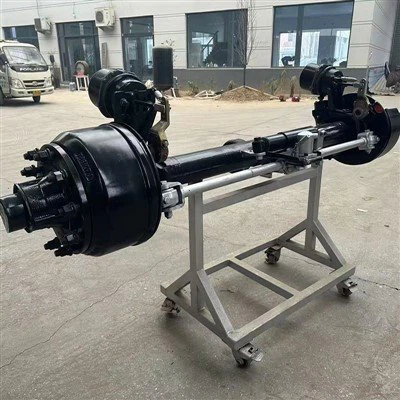
Unlike electronic or air suspension systems, mechanical suspension relies on traditional mechanical components such as leaf springs, coil springs, shock absorbers, and other supporting parts. These components work together to handle different loads and road conditions.
For heavy-duty vehicles, reliability is especially important. Trucks, trailers, and industrial vehicles often operate under high loads and challenging environments, making durable suspension solutions essential for long-term performance.
Why Mechanical Suspension Remains Widely Used
With the development of advanced vehicle technologies, some people may think traditional suspension systems are becoming outdated. However, Mechanical Suspension continues to be widely applied because it offers several practical advantages.
One of the biggest benefits is its simple and strong structure. Fewer complex components mean easier installation, inspection, and maintenance. For fleet operators and businesses, this can significantly reduce maintenance costs and improve vehicle availability.
Another advantage is durability. Mechanical suspension systems are designed to withstand heavy loads, frequent operation, and harsh working conditions. This makes them especially suitable for commercial transportation, construction vehicles, agricultural machinery, and off-road applications.
In many cases, reliability is more important than having the latest technology, which is why mechanical suspension remains a preferred choice for many users.
Applications of Mechanical Suspension in Different Industries
The demand for Mechanical Suspension solutions continues because many industries require vehicles and equipment that can perform consistently under demanding conditions.
Commercial Transportation
Heavy trucks and trailers often carry large loads over long distances. A reliable suspension system helps maintain vehicle stability while reducing stress on the chassis and other components.
Mechanical suspension is commonly selected for commercial vehicles because it can provide strong load-bearing capability and dependable operation even in difficult road conditions.
Construction and Heavy Equipment
Construction machinery frequently works on uneven surfaces, where vibration and impact resistance are important. Mechanical suspension systems help improve equipment stability and protect key components from excessive shock.
Agricultural Machinery
Agricultural vehicles operate across different terrains, including fields, dirt roads, and uneven ground. Durable suspension solutions help improve mobility and maintain performance during long working hours.
Off-Road Vehicles
For off-road applications, vehicles need suspension systems that can handle extreme environments. Mechanical suspension provides strength and reliability, making it suitable for challenging conditions.
Key Advantages of Modern Mechanical Suspension Systems
Although the basic concept of mechanical suspension has existed for many years, modern manufacturing technology has improved its performance significantly.
Strong Load Capacity
One of the most important features of Mechanical Suspension is its ability to support heavy loads. This makes it ideal for trucks, trailers, and industrial vehicles that require high carrying capacity.
Excellent Durability
High-quality materials and improved manufacturing processes help mechanical suspension components resist wear and fatigue, extending service life.
Easy Maintenance
Compared with more complex suspension technologies, mechanical systems are easier to inspect and repair. This advantage is valuable for businesses that need to minimize vehicle downtime.
Cost-Effective Performance
Mechanical suspension provides reliable performance without requiring complicated electronic systems. This makes it a practical option for companies looking for long-term value.
How to Choose the Right Mechanical Suspension System
Selecting the right Mechanical Suspension depends on the vehicle type, operating environment, and load requirements. Different applications may require different designs and configurations.
Important factors to consider include:
Load Requirements
The suspension system should match the expected vehicle weight and working conditions.
Driving Environment
Vehicles operating on rough roads or construction sites may require stronger suspension components.
Maintenance Requirements
Businesses should consider the availability of spare parts and ease of repair.
Product Quality
Choosing a reliable manufacturer ensures better performance, durability, and safety.
A suitable mechanical suspension system can improve vehicle efficiency and reduce long-term operating expenses.
Future Development Trends of Mechanical Suspension
As vehicle technology continues to evolve, Mechanical Suspension is also improving through better materials, optimized designs, and advanced manufacturing techniques.
Future developments will focus on increasing durability, reducing weight, and improving overall performance. Manufacturers are exploring new materials and engineering methods to create suspension systems that provide stronger support while maintaining flexibility.
At the same time, mechanical suspension may continue to be combined with modern technologies to meet the changing requirements of commercial vehicles and industrial equipment.
Even as intelligent vehicle systems become more common, the demand for reliable mechanical solutions will remain strong in many application areas.
Conclusion
The Mechanical Suspension system continues to play an important role in modern transportation and industrial equipment. Its combination of durability, simple structure, strong load capacity, and easy maintenance makes it a trusted solution for many demanding applications.
From heavy trucks and trailers to construction and agricultural machinery, mechanical suspension provides the stability and reliability needed for efficient operation. As industries continue to focus on safety, cost control, and long-term performance, mechanical suspension will remain an essential technology in the global vehicle market.