In Chinese, (xuánxuán) refers to the physical act of fixing an object at a height using ropes, supports, or other media, allowing it to hang naturally. Its English counterparts include "hang" (general suspension) and "suspend" (emphasizing a suspended state). The word can describe both static hanging (e.g., "lanterns hanging from the eaves") and dynamic swaying (e.g., "wind chimes hanging and swaying in the wind").
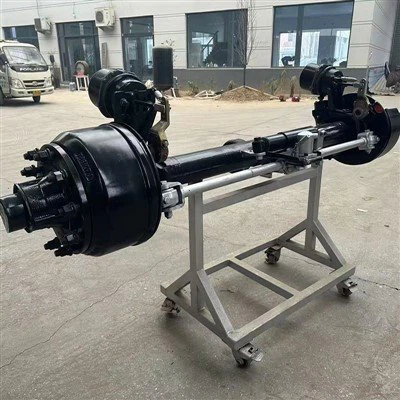
As a Chinese word, originally refers to the action or state of an object suspending in the air through a support point, commonly used to describe the physical form of items like curtains and lanterns. Within the Chinese language system, this word has multiple applications: at the basic semantic level, corresponds to the English verbs "hang" and "suspend," emphasizing the static or dynamic characteristic of an object hanging under the influence of gravity; in the technical field, it extends to the specialized use of "automobile suspension system," specifically referring to the mechanical structure connecting the wheels and the car body; in some contexts, it can be extended to the abstract state of "pending resolution," such as the ongoing state of an unresolved matter.