Shock absorbers are part of the suspension system, which consists of springs and shock absorbers between the car body and tires. The purpose of the suspension system is to support the entire car body and improve ride comfort. Because different cars use different suspension systems, the driving experience will vary.
Shock absorbers, also known as damping devices, primarily function as buffers to absorb vibrations. In the suspension system, springs and shock absorbers work together to support the car body and enhance the driving experience. However, springs undergo a stretching and contracting process after compression and release; therefore, the role of the shock absorber is to control the spring's movement and absorb road impacts to improve ride comfort.
When driving over uneven roads, shock absorbers control the spring's movement, thereby reducing body vibration. If the shock absorber is too soft, the car will bounce up and down while driving; if the shock absorber is too stiff, it will generate significant resistance, hindering the normal functioning of the spring.
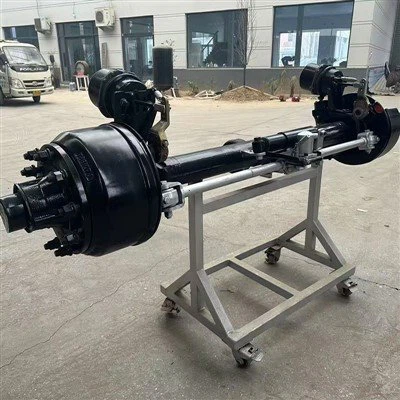
Car suspension systems can be divided into two types: non-independent suspension and independent suspension. Non-independent suspension mounts the tires on either side of a single axle. When one tire bounces, the other also bounces, causing body vibration or tilting. Independent suspension, on the other hand, divides the axle into two sections, with each tire mounted separately under the frame via coil springs. When one tire bounces, the other is unaffected and can move independently, thus improving vehicle stability and comfort.
The suspension system typically refers to a vehicle's suspension system, which consists of springs and shock absorbers between the body and tires. The suspension system not only supports the body but also significantly impacts the vehicle's stability, comfort, and safety. In modern sedans, the suspension system is a crucial component.