The automotive industry is constantly evolving, with manufacturers searching for better solutions to improve vehicle durability, handling performance, and operational reliability. While modern technologies continue to introduce new designs, some proven mechanical structures remain essential because of their strength and dependability. Suspension systems are a key example, especially in commercial vehicles and heavy-duty applications where stability and load-bearing capability are critical.
Among various suspension designs, Rigid Suspension continues to play an important role in modern vehicle engineering. Its simple yet strong structure allows vehicles to perform effectively in challenging environments, making it a preferred choice for trucks, off-road vehicles, construction equipment, and other specialized applications where reliability matters.

The Engineering Principle Behind Strong Suspension Performance
A suspension system does much more than connect wheels to a vehicle frame. It helps absorb road impacts, maintain tire contact, support vehicle weight, and improve driving control. The design of a suspension system directly influences vehicle safety, comfort, and long-term performance.
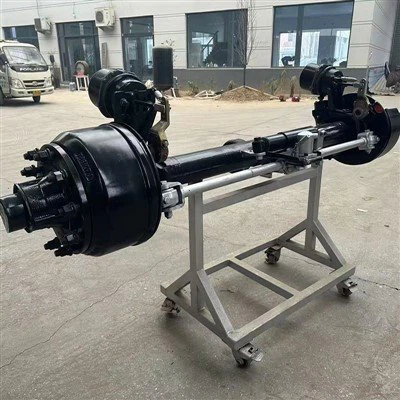
Unlike independent suspension systems that allow each wheel to move separately, a rigid axle design connects both wheels through a shared structure. This arrangement creates a solid foundation that can better handle heavy loads and demanding working conditions. The connected design allows forces to be distributed more evenly, reducing stress on individual components during operation.
For industries that rely on vehicles for transportation, construction, agriculture, or logistics, this structural advantage can significantly improve productivity. Vehicles need to operate consistently in different environments, and suspension reliability becomes a major factor in reducing downtime and maintenance costs.
Why This Suspension Design Remains Valuable Today
Although vehicle technology has advanced significantly, traditional engineering solutions still have an important place in the market. The popularity of Rigid Suspension comes from its balance between durability, simplicity, and performance.
One of the biggest advantages is its ability to support heavy loads. Commercial vehicles often carry large amounts of cargo or operate under continuous working conditions. A strong suspension structure helps maintain vehicle stability while reducing the risk of excessive wear caused by frequent loading and unloading.
Another benefit is excellent traction performance. When vehicles travel across uneven roads, rough terrain, or construction areas, maintaining consistent wheel contact with the surface is essential. The rigid connection between wheels helps improve stability, especially in environments where road conditions are unpredictable.
In addition, the mechanical structure is relatively straightforward compared with more complex suspension systems. This makes inspection, repair, and replacement of components more convenient for vehicle operators and maintenance teams.
Applications Across Different Industries
The demand for reliable suspension solutions extends across many sectors. Heavy-duty trucks, mining vehicles, agricultural machinery, and off-road transportation equipment often require components that can withstand harsh operating environments.
In commercial transportation, vehicle uptime is directly connected to business efficiency. A dependable suspension system helps fleets maintain stable operation during long-distance transportation and frequent loading tasks.
For off-road applications, suspension strength is equally important. Vehicles working on gravel roads, muddy terrain, or uneven surfaces require excellent stability and durability. The ability to handle difficult conditions makes this type of suspension technology a practical option for specialized vehicles.
The construction industry also benefits from durable suspension systems. Equipment used at job sites often experiences strong impacts and continuous vibration. A well-designed suspension structure helps improve vehicle lifespan and supports reliable performance in demanding projects.
Combining Traditional Strength with Modern Innovation
Modern vehicle engineering is not simply about replacing traditional designs but improving them through better materials, manufacturing processes, and technology integration. Engineers continue to optimize suspension structures to achieve better efficiency while maintaining their original strengths.
Advanced production methods allow manufacturers to improve component quality and durability. At the same time, modern testing processes help ensure that suspension systems can meet the requirements of different applications.
Future developments may focus on combining mechanical reliability with intelligent monitoring technologies. By collecting operational information and improving maintenance planning, vehicle owners can achieve better performance management and longer service life.
Selecting the Right Suspension Solution for Vehicle Needs
Choosing the correct suspension system depends on several factors, including vehicle purpose, working environment, expected load, and maintenance requirements. Passenger vehicles may prioritize comfort and smooth driving, while industrial vehicles often require maximum strength and stability.
For buyers and manufacturers, understanding application requirements is essential when selecting suspension components. A reliable suspension system can influence not only vehicle performance but also operating costs and overall efficiency.
As global transportation continues to expand, the demand for durable and dependable engineering solutions will remain strong. Rigid Suspension represents a practical approach that combines proven mechanical design with modern manufacturing improvements, helping vehicles achieve better stability and long-term reliability.
From heavy-duty transportation to specialized industrial equipment, this suspension technology continues to demonstrate its value. Its combination of strength, simplicity, and adaptability ensures that it remains an important part of modern vehicle engineering and future transportation development.