

Rising global freight cost together with fast‑growing electric heavy‑duty tractors makes trailer chassis lightweight no longer an optional selling point, but a core competition track within trailer component industry. As one of the heaviest parts of trailer running gear, single 13‑ton axle directly determines legal payload, fuel consumption and fleet profit. For trailer builders, overseas importers and large fleets, understanding lightweight principle helps buyers stay away from "fake lightweight" traps.
1. Why lightweight trailer axles become mandatory
Road regulations worldwide set strict limits on total vehicle combination weight. Electric tractors carry heavy battery packs, which occupy part of the weight quota for trailers. Every 100 kg saved on trailer chassis equals extra 100 kg legal cargo capacity.
Increase legal payload: A 3‑axle trailer can gain 150‑250 kg extra payload by optimizing axle‑suspension assembly, bringing steady extra revenue for each trip.
Cut fuel & power consumption: Reduced un‑sprung weight lowers rolling resistance. For diesel trailers it saves fuel; for electric trailers it cuts power consumption and extends range.
Meet global regulatory requirements: Europe, Southeast Asia and South America enforce stricter gross‑weight rules. Light‑weight chassis helps avoid overweight fines at weigh stations.
Differentiated export demands: European & Southeast‑Asian buyers prefer lightweight disc‑brake axles. African & Middle‑east customers require high‑strength lightweight units rather than simple material‑thickness reduction for rough‑road heavy hauling.
Core principle: Real lightweight relies on upgraded material, structural optimization and advanced heat‑treatment, not simply thinning axle beam wall.
2. Main technical lightweight solutions
① High‑strength alloy steel axle beam (dominant solution)
42CrMo quenched & tempered alloy steel is mainstream material for heavy‑duty lightweight axles. Through quenching, induction hardening and shot‑peening treatment, optimized hollow tube design achieves 8‑15 % weight reduction while keeping original rated load capacity.
Traditional Q345 carbon‑steel axles gain strength only by thicker wall, resulting in heavy dead weight. Properly heat‑treated 42CrMo hollow beams deliver better bending resistance and fatigue life with lighter weight.
② Topology structural optimization
Finite‑element simulation optimizes stress distribution on beam transition fillets, spring seats, flanges and spindle sections. Redundant metal on low‑stress areas is removed while critical high‑stress zones get reinforced. Cheap fake‑lightweight axles only thin wall thickness without stress‑relief design, leading to bending or fracture under heavy load.
③ Light‑weight wheel‑end components
High‑strength ductile iron or aluminum hubs, lightweight brake discs/drums and integrated maintenance‑free wheel‑end assemblies further cut un‑sprung mass. Disc‑brake axles own natural weight advantage compared with traditional S‑cam drum‑brake units, widely adopted for high‑end lightweight trailers.
④ Matched axle‑suspension system
Lightweight improvement should treat axle and suspension as one complete system. Air suspension paired with lightweight axles delivers better overall weight‑saving performance, popular for cold‑chain and high‑value cargo transport.
3. Market risk: Real lightweight VS fake lightweight
Many low‑cost "lightweight axles" cut weight by downgrading steel grade, thinning beam wall and skipping full heat‑treatment. Though lighter on scale, their fatigue life drops sharply, creating high safety risk of beam bending or crack under heavy‑duty conditions.
Key sourcing check‑list:
Do not judge only by weight figure. Verify steel grade and heat‑treatment report. Weight reduction from ordinary carbon steel is totally different from 42CrMo quenched alloy steel.
Check bench fatigue test data and safety factor. Light‑weight axles still need 10‑15 % safety margin above maximum working load.
Inspect transition fillet radius. Small fillets create stress concentration and early crack failure.
Confirm spare‑part compatibility: bearings and oil seals of lightweight wheel‑ends shall match local market stock for convenient after‑sales repair.
Important note: Lightweight does not mean unlimited weight cut‑down. For mining, sand‑stone and unpaved‑road heavy haul, impact‑resistance and overload tolerance shall take priority over extreme light weight.
4. Select lightweight axle for different regional markets
Europe, Southeast‑Asia highway & cold‑chain: Disc‑brake lightweight axle plus air suspension, E‑mark certification required, focus on low dead‑weight and long service interval.
Latin‑America general cargo: Lightweight American‑type drum‑brake axle with 42CrMo beam, balance weight‑saving and spare‑part availability.
Africa & Middle‑east mining & construction: Reinforced high‑strength lightweight version. Avoid over‑thinned cheap fake‑lightweight axles.
5. Future industry outlook
Trailer axle lightweight will keep evolving together with material upgrade, integrated structure and smart functions. High‑strength hollow axle tube penetration keeps rising. Maintenance‑free wheel‑ends reduce further weight. Smart sensors for TPMS, temperature and axle‑load will be integrated into lightweight axles to support predictive maintenance.
Light‑Weighting: Core Competition Track for Trailer Axle Industry
Popular Products

Stacked Suspension
This stacked suspension belongs to the mechanical suspension category. Compared with air suspension and hydraulic

German-style Air Suspension
Representing the pinnacle of European trailer engineering, our German-style air suspension system is engineered for
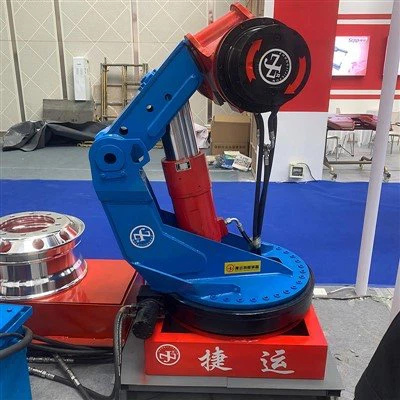
Hydraulic Drive Axle
Our trailer hydraulic drive axle is designed to redefine efficiency and reliability in heavy-duty transportation. This
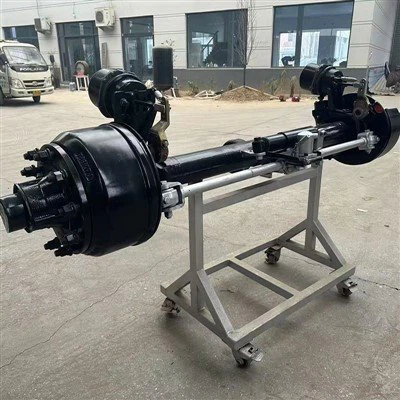
Mechanical Drive Axle
The trailer mechanical drive axle is a critical component engineered to deliver reliable power transmission and

Drive Shaft Drive Axle
The drive shaft drive axle is a critical power transmission component engineered to deliver reliable torque transfer

Tractor Drive Axle
The tractor drive axle, as a core power transmission component of heavy-duty transport vehicles, is a crucial hub