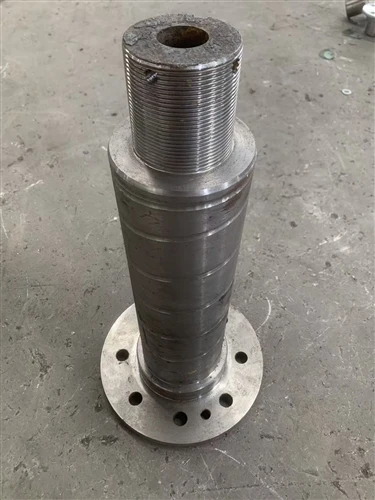
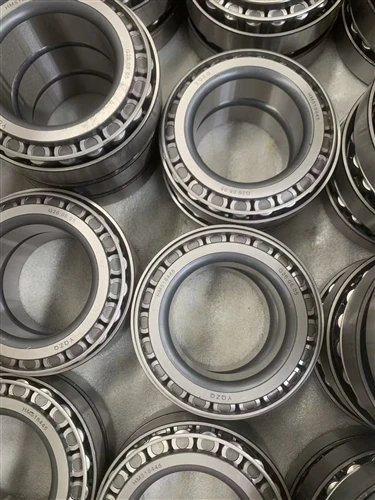
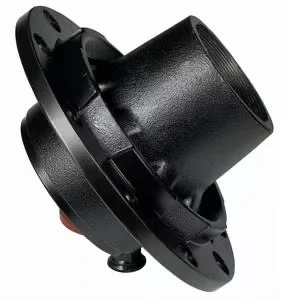
When it comes to maintaining and repairing vehicles, one crucial component that often requires attention is the axle wheel hub bearing. As an Axle Wheel Hub supplier, I understand the importance of a smooth - running bearing and the role it plays in the overall performance and safety of a vehicle. Let's delve into the process of replacing an axle wheel hub bearing.
Step 1: Preparation
Before starting the replacement process, it's essential to gather all the necessary tools and materials. You'll need a socket set, a torque wrench, a pry bar, a hammer, a bearing puller, a new axle wheel hub bearing Axle Wheel Hub, and some grease. Safety is also paramount, so wear appropriate protective gear such as gloves and safety glasses.
Park the vehicle on a level surface and engage the parking brake. Then, loosen the lug nuts on the wheel that has the bearing to be replaced, but do not remove them completely at this stage. This initial step ensures that when you lift the vehicle, the wheel doesn't move unexpectedly.
Step 2: Lifting the Vehicle
Using a jack, carefully lift the vehicle until the wheel with the faulty bearing is off the ground. Place jack stands under the vehicle at the appropriate lifting points to provide additional support and ensure the vehicle remains stable throughout the process. Once the vehicle is safely supported, remove the lug nuts and take off the wheel.
Step 3: Removing the Brake Components
The next step involves removing the brake components that are attached to the wheel hub. This usually includes the brake caliper and brake pads. Use a socket wrench to remove the bolts that hold the brake caliper in place. Once the bolts are removed, carefully lift the caliper off the rotor and secure it to the suspension using a piece of wire or a bungee cord. Do not let the caliper hang by the brake hose, as this can damage the hose.
After removing the caliper, take out the brake pads. You may also need to remove the brake rotor, which is typically held in place by a few small bolts. If the rotor is stuck, you can use a hammer to gently tap it loose.
Step 4: Removing the Axle Dust Cover and Other Components
Remove the Axle Dust Cover from the center of the wheel hub. This cover is usually held in place by a snap ring or some adhesive. Once the cover is removed, you'll see the axle nut. Use a large socket and a breaker bar to loosen the axle nut. This nut is usually tightened to a very high torque, so it may require some effort to loosen it.
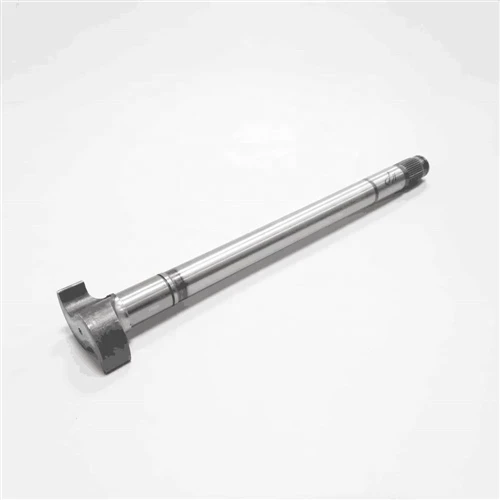
In addition to the axle nut, you may also need to remove other components such as the Axle Camshaft or the Adjusting Arm depending on the vehicle's design. These components are often connected to the wheel hub and need to be detached before the hub can be removed.
Step 5: Removing the Old Axle Wheel Hub Bearing
With the axle nut and other components removed, you can now start to remove the old axle wheel hub bearing. This is where a bearing puller comes in handy. Attach the bearing puller to the wheel hub and use it to apply pressure and pull the hub off the axle. If the hub is stubborn, you can use a hammer to gently tap on the puller to help loosen it.
Once the old hub is removed, inspect the axle shaft for any signs of damage or wear. If there are any issues with the axle shaft, it may need to be repaired or replaced before installing the new bearing.
Step 6: Preparing the New Axle Wheel Hub Bearing
Before installing the new axle wheel hub bearing, make sure it is clean and free of any debris. Apply a thin layer of grease to the inside of the bearing and the axle shaft where the bearing will be installed. This helps to reduce friction and ensures smooth operation.
Step 7: Installing the New Axle Wheel Hub Bearing
Carefully place the new axle wheel hub bearing onto the axle shaft. Make sure it is seated properly and aligned correctly. Use a mallet or a bearing installation tool to gently tap the hub into place until it is fully seated.
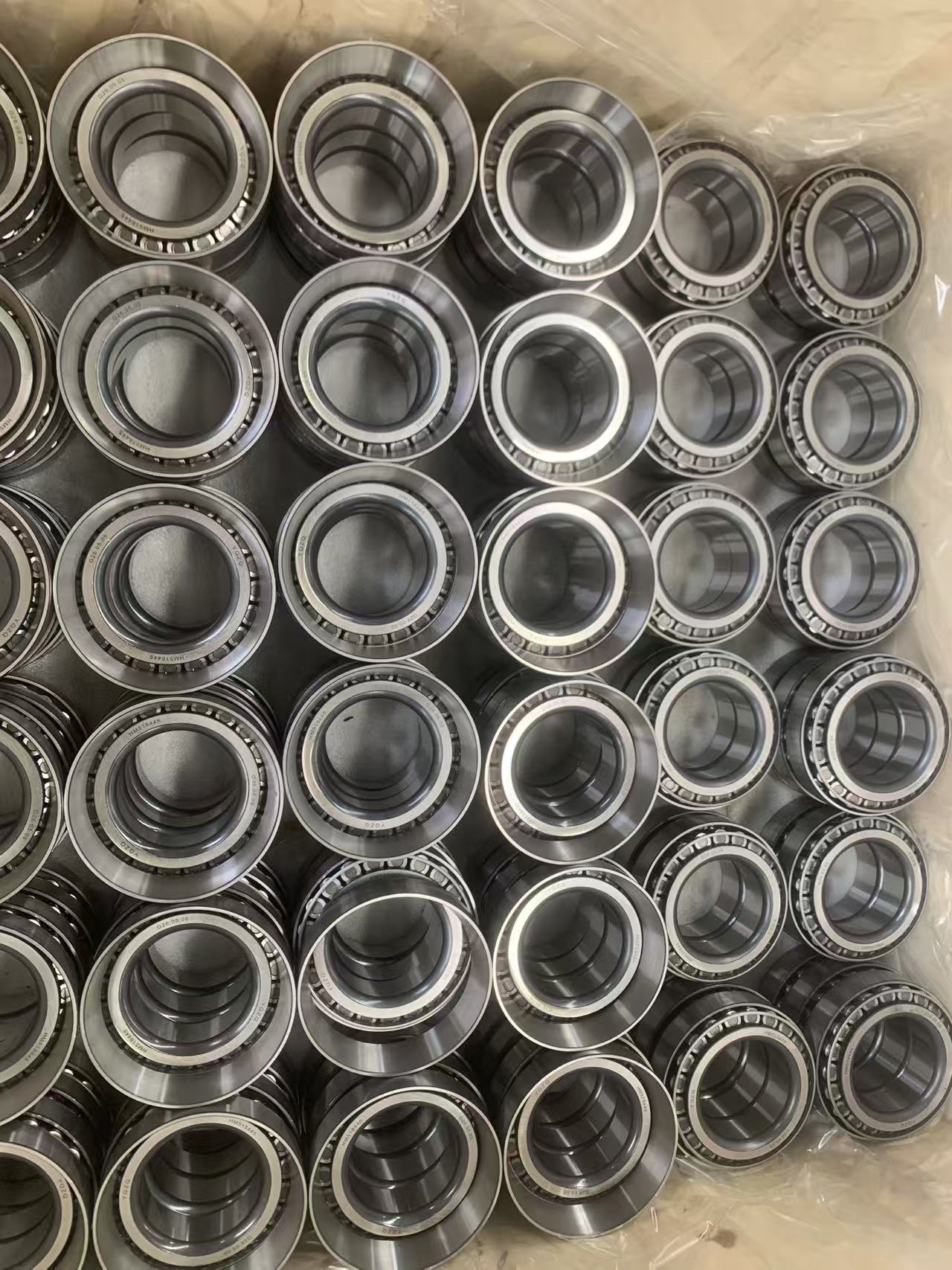
Once the hub is installed, reinstall the axle nut and tighten it to the specified torque using a torque wrench. Do not over - tighten the nut, as this can cause damage to the bearing or other components.
Step 8: Reinstalling the Brake Components
Reinstall the brake rotor, brake pads, and brake caliper. Make sure the caliper is properly aligned and the bolts are tightened to the correct torque. Once the brake components are in place, you can also reinstall the Axle Dust Cover and any other components that were removed earlier, such as the Axle Camshaft or the Adjusting Arm.
Step 9: Reinstalling the Wheel and Lowering the Vehicle
Put the wheel back on the vehicle and hand - tighten the lug nuts. Then, use a torque wrench to tighten the lug nuts to the manufacturer's recommended torque. Once all the lug nuts are tightened, carefully lower the vehicle using the jack and remove the jack stands.
Step 10: Testing
After the replacement is complete, it's important to test the vehicle to ensure everything is working properly. Start the vehicle and take it for a short test drive. Listen for any unusual noises or vibrations, and check the brakes to make sure they are functioning correctly.
As an Axle Wheel Hub supplier, we understand the complexity of the replacement process and the importance of using high - quality parts. Our Axle Wheel Hub products are designed to meet the strictest standards of quality and performance. If you are in need of axle wheel hub bearings or other related components such as Axle Camshaft, Adjusting Arm, Air Chamber Connecting Fork, or Axle Dust Cover, we are here to provide you with the best solutions. Contact us for more information on our products and to start a procurement discussion.
References
- Automotive Repair Manuals
- Manufacturer's Technical Bulletins
- Industry - standard Automotive Maintenance Guides