As a dedicated suspension supplier, I've witnessed firsthand the transformative impact of suspension architecture across various industries, especially in the automotive sector. The suspension system is not just a collection of components; it's the unsung hero that ensures a smooth, safe, and efficient ride. In this blog, I'll delve into the numerous advantages of suspension architecture and how it enhances vehicle performance and user experience.
1. Improved Ride Comfort
One of the primary benefits of a well - designed suspension architecture is the significant improvement in ride comfort. When a vehicle encounters bumps, potholes, or uneven road surfaces, the suspension system absorbs and dissipates the shock energy. This prevents the passengers from feeling every jolt directly, creating a more pleasant and less fatiguing journey.
For example, independent suspension systems are known for their ability to provide a smoother ride. Independent Suspension For Automobiles [/suspension/mechanical - suspension/independent - suspension - for - automobiles.html] allows each wheel to move independently of the others. When one wheel hits an obstacle, the movement is isolated to that wheel, and the rest of the vehicle remains stable. This means that passengers are less likely to be tossed around inside the car, whether it's a luxury sedan cruising on the highway or an off - road vehicle navigating rough terrain.
2. Enhanced Handling and Stability
Another crucial advantage of suspension architecture is its impact on vehicle handling and stability. A good suspension system keeps the tires in contact with the road surface as much as possible. This is essential for maintaining traction, which is directly related to a vehicle's ability to accelerate, brake, and turn safely.
In high - performance vehicles, the suspension is fine - tuned to minimize body roll during cornering. By reducing body roll, the vehicle can maintain a more level attitude, and the tires can distribute the load evenly across their contact patches. This results in better grip and allows the driver to take corners at higher speeds with confidence.
Trailer Hydraulic Suspension [/suspension/hydraulic - suspension/trailer - hydraulic - suspension.html] is an excellent example of a suspension solution that enhances stability. Hydraulic systems can adjust the height and stiffness of the suspension in real - time, compensating for changes in load and road conditions. This is particularly important for trailers, as it helps prevent swaying and ensures that the trailer follows the towing vehicle smoothly.
3. Increased Tire Life
Proper suspension architecture also contributes to increased tire life. When a suspension system is functioning correctly, it distributes the vehicle's weight evenly across all four tires. This means that the tires wear more evenly, reducing premature wear and tear.
Uneven tire wear can occur when the suspension is misaligned or damaged. For instance, if a vehicle has a problem with its front suspension, the tires on the affected side may experience excessive wear on one edge. This not only shortens the lifespan of the tires but can also lead to safety issues, such as reduced traction and handling.
By ensuring that the tires maintain proper contact with the road and that the weight is distributed evenly, a well - designed suspension system can extend the life of the tires, saving vehicle owners money in the long run.
4. Better Braking Performance
The braking performance of a vehicle is closely related to its suspension system. When a vehicle brakes, weight is transferred to the front wheels. A good suspension system can control this weight transfer and help keep the tires firmly planted on the road.


In front - wheel - drive vehicles, the front suspension plays a crucial role in braking. The Air Suspension Front Suspension [/suspension/air - suspension/air - suspension - front - suspension.html] can adjust the height and stiffness of the front end during braking, reducing nose - dive and improving the effectiveness of the brakes. This allows the vehicle to stop more quickly and safely, especially in emergency situations.
5. Adaptability to Different Loads
Modern suspension architectures are designed to be adaptable to different loads. Whether a vehicle is carrying a full load of passengers or a heavy cargo, the suspension system can adjust to maintain optimal performance.
Rear Air Suspension [/suspension/air - suspension/rear - air - suspension.html] is a prime example of a load - adaptive suspension. Air suspension systems use air springs that can be inflated or deflated to adjust the height and stiffness of the rear end of the vehicle. When a vehicle is carrying a heavy load, the air springs can be inflated to raise the rear end and prevent the vehicle from sagging. This ensures that the vehicle maintains its ground clearance and handling characteristics, regardless of the load.
6. Compatibility with Semi - trailers
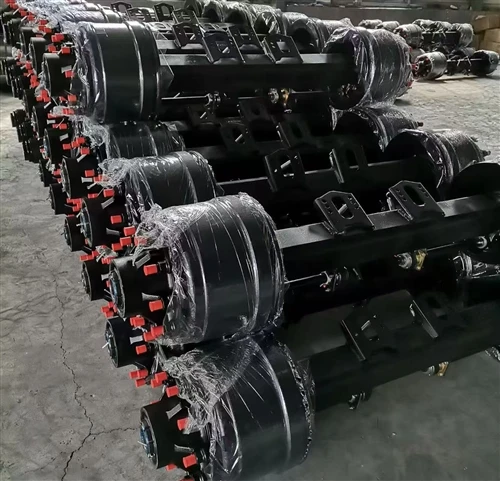
Suspension architecture also plays a vital role in the performance of semi - trailers. The Semi - trailer Air Suspension [/suspension/air - suspension/semi - trailer - air - suspension.html] offers several advantages for semi - trailers. It provides a smoother ride for the cargo, reducing the risk of damage during transportation.
Air suspension systems can also help improve fuel efficiency in semi - trailers. By keeping the trailer at a consistent height and reducing vibration, the rolling resistance is decreased, which in turn reduces the amount of energy required to pull the trailer. This not only saves fuel but also reduces the overall carbon footprint of the transportation industry.
7. Noise and Vibration Isolation
A well - engineered suspension system can effectively isolate the vehicle's cabin from noise and vibration. When the suspension absorbs shocks and vibrations from the road, it prevents these disturbances from being transmitted to the passengers. This creates a quieter and more comfortable interior environment.
For example, in luxury vehicles, the suspension is often designed to provide a high level of noise and vibration isolation. The use of advanced materials and precision engineering techniques helps to dampen vibrations and reduce road noise, allowing passengers to enjoy a serene and peaceful ride.
In conclusion, the advantages of suspension architecture are vast and far - reaching. From improving ride comfort and handling to increasing tire life and fuel efficiency, a well - designed suspension system is essential for the optimal performance of any vehicle. As a suspension supplier, I understand the importance of providing high - quality suspension solutions that meet the diverse needs of our customers.
If you're in the market for top - notch suspension systems and are interested in discussing your requirements, I'd be delighted to engage in a meaningful conversation with you. Our team of experts is ready to provide tailored solutions that align with your specific needs. Don't hesitate to reach out and start the procurement discussion today.
References
- Automotive Engineering Handbook, various editions
- SAE International Publications on Vehicle Dynamics
- Industry research papers on suspension systems and their applications