So, you're probably wondering, "What is the lifespan of an axle wheel hub?" Well, I'm here to break it down for you. I'm in the business of supplying Axle Wheel Hubs, and I've seen a thing or two about how these parts hold up over time.
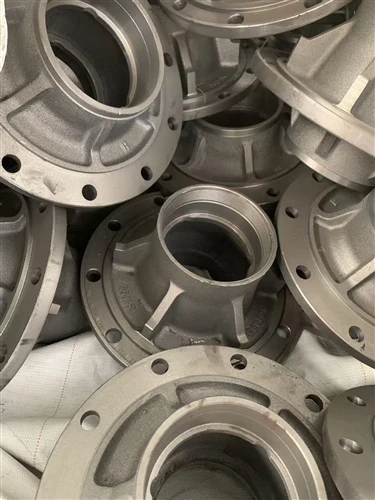
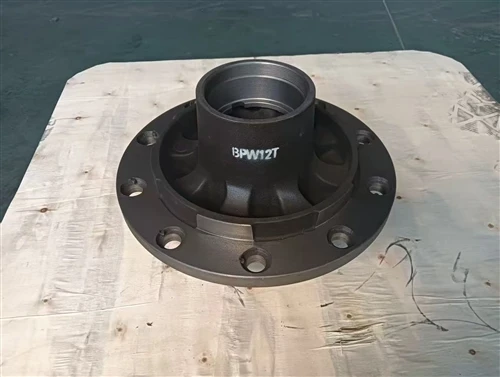
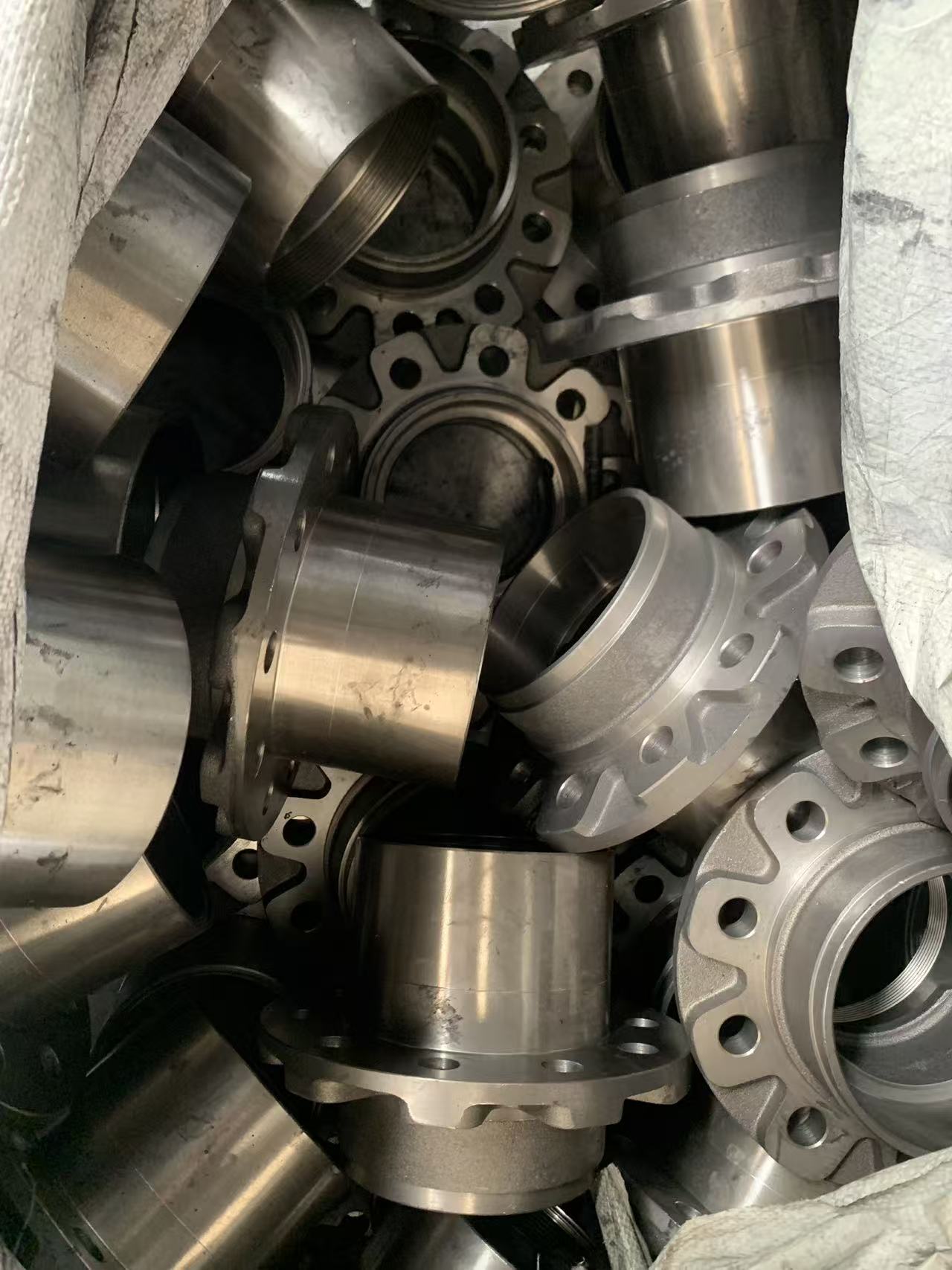
First off, let's talk about what an axle wheel hub is. It's a crucial part of your vehicle's suspension and wheel system. It's the component that connects the wheel to the vehicle, allowing the wheel to rotate smoothly. You can check out more about Axle Wheel Hub on our website.
The lifespan of an axle wheel hub can vary a whole lot. There are a bunch of factors that come into play, and I'll go through the main ones with you.
1. Quality of the Hub
The quality of the axle wheel hub you buy is super important. High - quality hubs are made from better materials and are manufactured with more precision. They're designed to withstand more wear and tear. For example, a well - made hub might be made from a high - grade steel alloy that's resistant to corrosion and has good strength properties. On the other hand, a low - quality hub might be made from cheaper materials that can crack or wear out much faster. When you're looking for a hub, make sure you choose a reliable supplier. We take pride in offering top - notch Axle Wheel Hub that are built to last.
2. Driving Conditions
Your driving environment can have a huge impact on the lifespan of your axle wheel hub. If you're constantly driving on rough roads with potholes, gravel, or uneven surfaces, the hub is going to take a beating. The constant jolts and vibrations can cause the bearings inside the hub to wear out more quickly. For instance, if you live in a rural area where the roads are not well - maintained, you'll likely need to replace your hub more often compared to someone who drives mainly on smooth highways.
Another aspect of driving conditions is the weather. In areas with a lot of rain, snow, or salty roads, the hub is more likely to corrode. Salt on the roads is used to melt ice, but it can also eat away at the metal parts of the hub. So, if you're in a coastal area or a place with harsh winters, you've got to keep an eye on your hub's condition.
3. Maintenance
Proper maintenance is key to extending the lifespan of your axle wheel hub. Regularly checking the hub for signs of wear, like unusual noises, vibrations, or play in the wheel, can help you catch problems early. You should also make sure to lubricate the bearings inside the hub as recommended by the manufacturer. If the bearings aren't properly lubricated, they'll start to overheat and wear out faster.
It's also important to keep the hub clean. Dirt and debris can get into the hub and cause damage. You can use a mild soap and water to clean the outside of the hub, and make sure to dry it thoroughly to prevent rust. And don't forget about the other parts that work with the hub, like the Brake Pad Assembly and Adjusting Arm. Keeping these parts in good condition can also help the hub last longer.
4. Vehicle Usage
How you use your vehicle matters a lot. If you're using your vehicle for heavy - duty tasks, like towing a trailer or carrying a lot of weight, the axle wheel hub will be under more stress. The extra load puts more pressure on the hub and its bearings, which can lead to faster wear. For example, if you're a contractor who uses a truck to haul construction materials every day, your hub is going to have a shorter lifespan compared to someone who uses their car for daily commuting.
Average Lifespan
On average, a well - maintained axle wheel hub can last anywhere from 100,000 to 150,000 miles. But like I said earlier, this can vary widely depending on the factors I mentioned. Some hubs might last longer, especially if they're of high quality and the vehicle is used in ideal conditions. Others might need to be replaced much sooner, say around 50,000 miles, if they're exposed to harsh conditions or not properly maintained.
Signs of a Failing Hub
It's important to know the signs that your axle wheel hub is failing. One of the most common signs is a grinding or humming noise coming from the wheel. This could mean that the bearings inside the hub are worn out. You might also notice vibrations in the steering wheel or the vehicle itself. Another sign is if the wheel feels loose or has play when you try to wiggle it. If you experience any of these symptoms, it's a good idea to have your hub checked out as soon as possible.
Related Parts and Their Impact
The axle wheel hub doesn't work alone. It interacts with other parts of the vehicle, and the condition of these parts can affect its lifespan. For example, the American - style Shaft Head Nut holds the hub in place. If this nut is loose or damaged, it can cause the hub to move around, leading to premature wear.
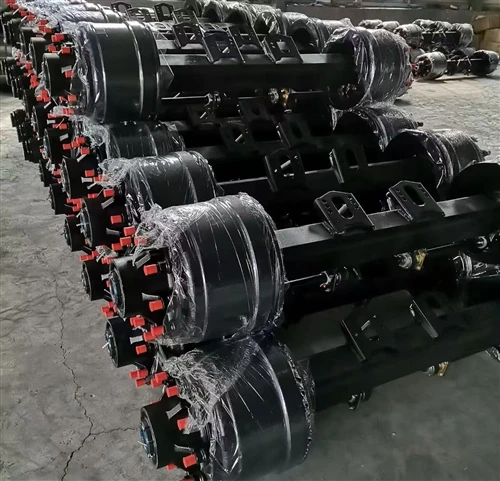
The Axle Brake Hub also works closely with the axle wheel hub. If the brake hub is warped or damaged, it can put uneven pressure on the wheel hub, causing it to wear out faster. So, it's important to keep all these related parts in good condition.

Conclusion
In conclusion, the lifespan of an axle wheel hub can vary greatly depending on quality, driving conditions, maintenance, and vehicle usage. By choosing a high - quality hub from a reliable supplier like us, taking care of your vehicle, and keeping an eye out for signs of wear, you can make your axle wheel hub last as long as possible.
If you're in the market for a new axle wheel hub or any of the related parts I mentioned, don't hesitate to reach out. We're here to help you find the best products for your needs. Whether you're a professional mechanic or a vehicle owner looking to do some DIY work, we've got you covered. Contact us to start a purchase negotiation and get the parts you need at a great price.
References
- Automotive Repair Manuals
- Industry Reports on Axle Components