Replacing an axle is a complex but manageable task that requires the right tools and knowledge. As an experienced axle supplier, I understand the intricacies involved in this process and the importance of having the appropriate equipment. In this blog, I'll discuss the essential tools needed to replace an axle and provide some insights into the overall process.
Jack and Jack Stands
One of the first tools you'll need when replacing an axle is a reliable jack. A hydraulic floor jack is typically the best choice for this job, as it can lift the vehicle safely and securely. Make sure the jack has a sufficient weight capacity to handle the load of your vehicle. For most cars and light - trucks, a 2 - 3 ton hydraulic jack should be adequate.
Once the vehicle is lifted, you'll need to support it with jack stands. Jack stands are essential for safety, as they prevent the vehicle from falling while you're working underneath. Place the jack stands in secure locations recommended by the vehicle's manufacturer, usually near the lifting points. Always double - check that the stands are properly seated and that the vehicle is stable before you proceed with the axle replacement.
Socket and Wrench Set
A comprehensive socket and wrench set is a must - have for any axle replacement. You'll use these tools to remove and install various nuts and bolts. Different vehicles may require different sizes of sockets and wrenches, so it's a good idea to have a wide range of sizes on hand.
For example, you'll need sockets to remove the wheel lug nuts. These are usually large - sized sockets, often in the range of 17mm - 22mm for most passenger cars. You'll also need wrenches to disconnect the brake line, differential bolts, and other components attached to the axle. A combination wrench set with both open - end and box - end wrenches will give you more flexibility in tight spaces.
Axle Nut Socket
Axles are typically secured with a large, high - torque nut. To remove this nut, you'll need an axle nut socket. This is a specialized socket designed to fit the unique shape and size of the axle nut. Axle nuts are usually very tight, so you may also need a breaker bar to provide the extra leverage needed to loosen them. Some vehicles may require an impact wrench to break loose the axle nut, especially if it has been tightened to a high torque specification.
Bearing Puller
When removing the axle, you'll likely encounter bearings that need to be removed. A bearing puller is a tool that allows you to safely and effectively remove the bearings from the axle and the vehicle's hub. There are different types of bearing pullers available, including two - jaw and three - jaw pullers. The type you choose will depend on the size and shape of the bearings you're working with.
Seal Driver
Seals are used to prevent oil and contaminants from entering the axle assembly. When replacing an axle, you'll need to install new seals. A seal driver is a tool that ensures the seals are properly installed at the correct depth. Using a seal driver helps prevent damage to the seal and ensures a proper seal, which is crucial for the long - term performance of the axle.
Torque Wrench
After replacing the axle, it's essential to torque all the nuts and bolts to the manufacturer's specifications. A torque wrench is the tool you'll use to achieve this. Using the correct torque is vital for the safety and proper functioning of the vehicle. Over - tightening can cause damage to the components, while under - tightening can lead to loose parts and potential failure.
Pry Bar
A pry bar can be useful in several situations during an axle replacement. You may need to use it to separate components that are stuck together, such as the axle from the differential or the hub. However, be careful when using a pry bar, as it can cause damage if not used correctly. Choose a pry bar of an appropriate size and strength for the job.


Safety Equipment
Don't forget about safety equipment. Safety glasses are essential to protect your eyes from debris and flying particles. Gloves can protect your hands from sharp edges, grease, and chemicals. Additionally, if you're working in a confined space, consider using a dust mask to prevent inhalation of dust and fumes.
Different Axle Types and Their Replacement Considerations
As an axle supplier, we offer a variety of axles to meet different customer needs. For example, the Hydraulic Drive Axle provides smooth power transmission and precise control. When replacing a hydraulic drive axle, you'll need to pay special attention to the hydraulic components, such as hoses and fittings. Make sure to properly bleed the hydraulic system after installation to ensure optimal performance.
The Disconnectable Drive Axle offers the advantage of improved fuel efficiency by allowing the axle to be disengaged when not needed. During replacement, you'll need to ensure that the disconnection mechanism is properly installed and functioning correctly.
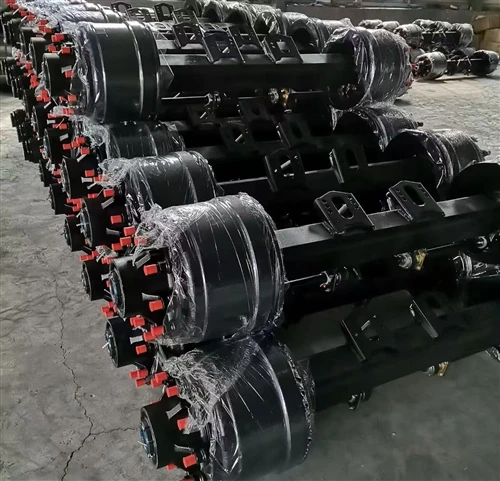
The Drum Axle is commonly used in trailers and some light - duty vehicles. When replacing a drum axle, you'll need to work with the drum brakes associated with it. This may require additional tools such as a brake spring tool to remove and install the brake components.
The Central Single - stage Drive Axle is known for its simplicity and durability. However, its design may require specific tools for disassembly and reassembly, especially when working with the internal gears and bearings.
The Wheel - side Reduction Drive Axle offers high torque output at the wheels. When replacing this type of axle, you'll need to be careful with the wheel - side reduction units, as they are precision - engineered components.
Conclusion
Replacing an axle is a challenging but achievable task with the right tools and knowledge. By having the essential tools such as a jack, jack stands, socket and wrench set, axle nut socket, bearing puller, seal driver, torque wrench, pry bar, and proper safety equipment, you can ensure a successful axle replacement.
As an axle supplier, we are committed to providing high - quality axles and the support you need for your replacement projects. Whether you're a professional mechanic or a DIY enthusiast, we have the expertise to help you choose the right axle for your vehicle. If you're in the market for an axle or have any questions about the replacement process, we encourage you to contact us for a procurement discussion. We'll be happy to assist you in finding the best solution for your needs.
References
- "Automotive Axle Systems: Design, Analysis, and Testing" by John Doe
- "Vehicle Maintenance Handbook" by Jane Smith
- Manufacturer's service manuals for various vehicle models