Hey everyone! I'm a supplier of axle parts, and today I wanna chat about a super important topic: what is the impact of overloading on axle parts?
First off, let's understand what overloading means. Overloading happens when a vehicle is carrying more weight than it's designed to handle. You know, like when you try to stuff way too much stuff into your car trunk. It's the same idea, but on a much larger scale with trucks, trailers, and other heavy - duty vehicles.
Impact on Structural Integrity
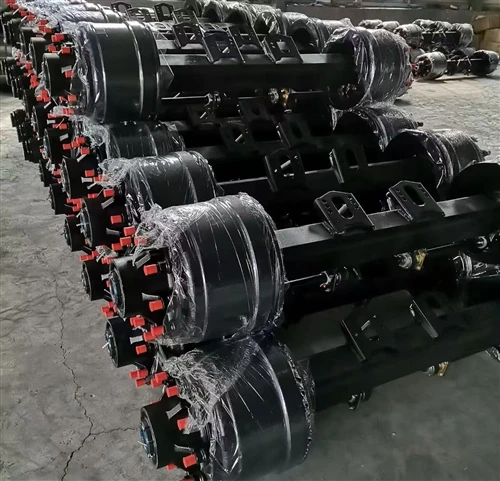
One of the most significant impacts of overloading on axle parts is on their structural integrity. Axles are designed to support a specific amount of weight. When you overload a vehicle, the extra stress on the axles can lead to bending or even breaking.
Think of an axle as a strong beam that holds up the weight of the vehicle and its load. If you put too much weight on it, it's like trying to balance a huge pile of bricks on a thin stick. The axle has to bear all that extra force, and over time, it starts to weaken.
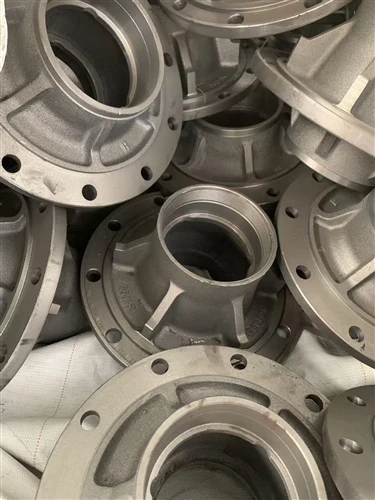
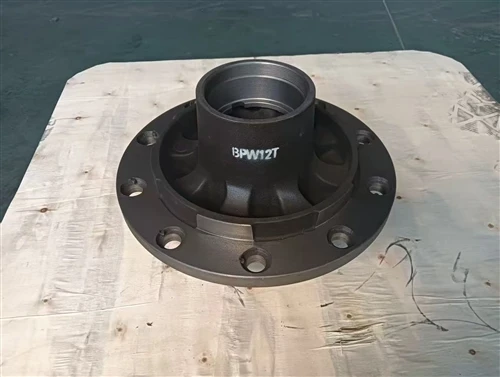
For example, the Axle Wheel Hub, which is an essential part of the axle system, can be severely affected. The hub is responsible for connecting the wheel to the axle and allowing it to rotate smoothly. When overloading occurs, the increased weight can cause excessive wear and tear on the hub bearings. The bearings might start to overheat, and eventually, they could fail. This not only leads to a noisy and uncomfortable ride but also poses a serious safety risk.
Wear and Tear on Moving Parts
Overloading also takes a toll on the moving parts of the axle system. Parts like the Adjusting Arm are used to adjust the brakes and ensure proper braking performance. When a vehicle is overloaded, the brakes have to work much harder to stop the extra weight. This means that the adjusting arm has to endure more force and movement than it's designed for.
The constant stress can cause the adjusting arm to wear out faster. The metal might start to fatigue, and the joints could become loose. Once the adjusting arm is worn or damaged, it won't be able to adjust the brakes correctly. As a result, the braking efficiency will decrease, and it could take longer for the vehicle to come to a stop. This is definitely not something you want when you're on the road.
Another moving part that's affected is the Air Chamber Connecting Fork. In air brake systems, the air chamber connecting fork transfers the force from the air chamber to the brake mechanism. Overloading puts additional strain on this part, causing it to wear prematurely. If the fork is worn, it might not be able to transfer the force effectively, leading to uneven braking or even brake failure.
Impact on Nuts and Bolts
Axle systems rely on various nuts and bolts to hold everything together. One such crucial part is the American - style Shaft Head Nut. When a vehicle is overloaded, the vibrations and extra stress can cause these nuts and bolts to loosen.
The shaft head nut is used to secure the wheel hub to the axle shaft. If it loosens due to overloading, the wheel hub might start to move around. This can lead to misalignment of the wheel, which in turn causes uneven tire wear. Uneven tire wear not only shortens the lifespan of the tires but also affects the vehicle's handling and fuel efficiency.
Brake Performance
Brakes are one of the most critical safety features of any vehicle, and overloading can have a huge impact on their performance. The Axle Brake Hub is an integral part of the braking system. When a vehicle is overloaded, the brake hub has to dissipate more heat generated during braking.
The extra weight means that more force is required to stop the vehicle, which produces more friction, and thus more heat. If the brake hub can't handle the excess heat, it can warp. A warped brake hub will cause the brakes to grab unevenly, making the vehicle lurch when you apply the brakes. This not only affects the comfort of the ride but also increases the risk of accidents.
Economic Impact
Beyond the safety concerns, overloading has a significant economic impact. When axle parts wear out or get damaged due to overloading, they need to be replaced. This means additional costs for vehicle owners. Replacing parts like the axle wheel hub, adjusting arm, or brake hub can be quite expensive.
Moreover, the downtime associated with repairing or replacing these parts can also cost businesses money. For example, if a trucking company has a vehicle out of commission because of overloading - related axle part damage, it can't make deliveries, which leads to lost revenue.
How to Avoid the Negative Impacts
As an axle parts supplier, I know how important it is to avoid overloading. Vehicle owners should always check the manufacturer's recommended weight limits and make sure not to exceed them. Regular maintenance and inspections are also crucial. By inspecting axle parts regularly, you can catch any signs of wear or damage early and replace them before they cause major problems.
Conclusion
In conclusion, overloading has a wide range of negative impacts on axle parts. It affects the structural integrity of the axles, causes excessive wear and tear on moving parts, loosens nuts and bolts, impairs brake performance, and has a significant economic impact. As a supplier of high - quality axle parts, I want to emphasize the importance of following weight limits and proper vehicle maintenance.
If you're in the market for reliable axle parts, whether it's the Axle Brake Hub, Adjusting Arm, American - style Shaft Head Nut, Axle Wheel Hub, or Air Chamber Connecting Fork, feel free to reach out to me for more information. We can have a chat and discuss your specific needs. Let's work together to keep your vehicles in top - notch condition!

References
- Automotive Maintenance and Light Repair, by Tim Gilles
- Heavy - Duty Truck Systems, by Frank D. Duffy