As a seasoned supplier of Adjusting Arms, I've witnessed firsthand the critical role these components play in the smooth operation of various mechanical systems. The reliability of an Adjusting Arm is paramount, as it directly impacts the performance and safety of the equipment it serves. In this blog, I'll share some professional insights and practical strategies to enhance the reliability of Adjusting Arms.
Understanding the Function and Importance of Adjusting Arms
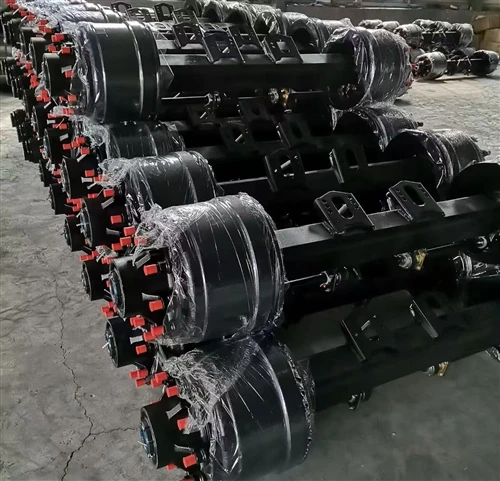
Before diving into the ways to improve reliability, it's essential to understand what an Adjusting Arm does. An Adjusting Arm is a key component in many mechanical and automotive systems. It's designed to transfer motion and adjust the position or tension of other parts within the system. In trailer axles, for example, the Adjusting Arm is used to adjust the brake clearance, ensuring that the brakes function properly and safely.
The reliability of an Adjusting Arm is crucial for several reasons. First, it directly affects the performance of the entire system. A faulty Adjusting Arm can lead to improper adjustment, which may result in reduced braking efficiency, increased wear and tear on other components, and even safety hazards. Second, reliable Adjusting Arms reduce maintenance costs and downtime. When an Adjusting Arm fails, it often requires immediate replacement, which can be costly and time - consuming.
Material Selection
One of the fundamental factors in improving the reliability of an Adjusting Arm is the choice of materials. High - quality materials can withstand more stress, corrosion, and wear, which significantly extends the lifespan of the component.
- Metals: Steel is a popular choice for Adjusting Arms due to its high strength and durability. Alloy steels, which contain elements such as chromium, nickel, and molybdenum, offer even better mechanical properties. They can resist deformation under heavy loads and are less likely to break or crack. For applications in harsh environments, stainless steel is an excellent option as it has superior corrosion resistance.
- Surface Treatments: Applying surface treatments to the Adjusting Arm can further enhance its reliability. For example, galvanizing, which involves coating the steel with a layer of zinc, provides sacrificial protection against corrosion. Powder coating can also be used to create a hard, durable finish that resists scratches, chips, and chemical damage.
Precision Manufacturing
Precision manufacturing is another critical aspect of improving the reliability of Adjusting Arms. The manufacturing process must ensure the correct dimensions, tolerances, and surface finish of the component.
- Machining Accuracy: During the machining process, tight tolerances must be maintained to ensure a proper fit and smooth operation. Any deviation from the specified dimensions can result in improper adjustment, increased friction, and premature wear. Computer - Numerical - Control (CNC) machining is often used to achieve high precision and repeatability.
- Assembly Quality: Proper assembly of the Adjusting Arm is also essential. All components must be assembled correctly, and fasteners must be tightened to the appropriate torque. Incorrect assembly can lead to loose parts, which can cause noise, vibration, and ultimately, failure of the Adjusting Arm.
Design Optimization
A well - designed Adjusting Arm is more likely to be reliable. Design optimization involves considering factors such as load distribution, stress concentration, and ease of maintenance.
- Load Distribution: The design should ensure that the load is evenly distributed across the Adjusting Arm. This can be achieved by using appropriate cross - sectional shapes and reinforcement structures. For example, adding ribs or gussets to the Adjusting Arm can increase its stiffness and strength, reducing the risk of deformation under load.
- Stress Concentration: Stress concentration points, such as sharp corners or sudden changes in cross - section, should be avoided. These areas are more likely to experience fatigue and cracking. Rounding the corners and using smooth transitions can help to reduce stress concentration and improve the reliability of the Adjusting Arm.
- Ease of Maintenance: A good design should also consider ease of maintenance. The Adjusting Arm should be easy to access, inspect, and replace if necessary. This can be achieved by using modular designs or by providing clear access points for maintenance tools.
Compatibility with Other Components
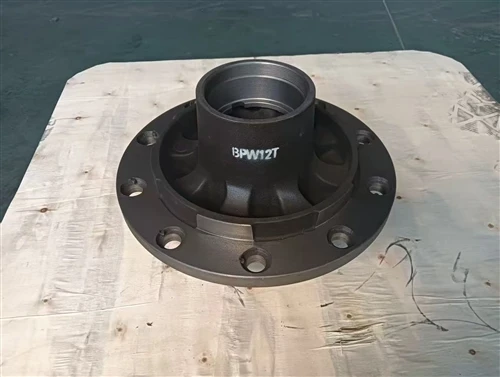
The reliability of an Adjusting Arm is also affected by its compatibility with other components in the system. For example, in a trailer axle system, the Adjusting Arm must be compatible with the Axle Camshaft, Axle Wheel Hub, and Air Chamber Connecting Fork.
- Proper Fit: The Adjusting Arm must fit precisely with other components. This ensures that the motion is transferred smoothly and that there is no excessive play or binding. For example, the connection between the Adjusting Arm and the Axle Camshaft should be designed to provide a secure and reliable fit.
- System Interaction: The Adjusting Arm should also be designed to interact correctly with other components in the system. For example, in a braking system, the Adjusting Arm must be able to adjust the brake clearance accurately based on the movement of the Air Chamber Connecting Fork.
Quality Control and Testing
Implementing a rigorous quality control system is essential to ensure the reliability of Adjusting Arms. Quality control should start from the raw material stage and continue throughout the manufacturing and assembly processes.
- In - process Inspection: Regular inspections during the manufacturing process can help to detect any defects early. This can include dimensional checks, surface finish inspections, and material quality tests. For example, using non - destructive testing methods such as ultrasonic testing or magnetic particle inspection can help to detect internal defects in the Adjusting Arm.
- Final Testing: Before the Adjusting Arm is shipped, it should undergo final testing to ensure its performance and reliability. This can include functional testing, where the Adjusting Arm is tested in a simulated operating environment to ensure that it can perform its intended function correctly.
After - Sales Support and Maintenance
Providing excellent after - sales support and maintenance services can also contribute to the long - term reliability of Adjusting Arms.


- Technical Support: Customers should have access to technical support to help them with installation, adjustment, and troubleshooting. This can be provided through phone, email, or online resources.
- Maintenance Guidelines: Supplying clear maintenance guidelines can help customers to maintain their Adjusting Arms properly. This can include instructions on lubrication, inspection intervals, and replacement schedules.
Contact for Purchase and Consultation
If you're in the market for high - quality, reliable Adjusting Arms, or if you have any questions about improving the reliability of these components in your specific application, don't hesitate to reach out. We're here to provide you with the best products and professional advice to meet your needs. Whether you're a small - scale business or a large - scale manufacturer, our team of experts can assist you in finding the right solutions for your Adjusting Arm requirements.
References
- Mechanical Engineering Handbook, various editions.
- Automotive Component Design and Engineering textbooks.
- Industry standards and specifications related to adjusting arms and trailer axle parts.