Hydraulic suspension systems have revolutionized the way convertibles handle and provide a smooth driving experience. As a leading hydraulic suspension supplier, I am excited to delve into the intricacies of how hydraulic suspension works in a convertible, exploring its components, benefits, and the overall functionality that makes it a game - changer in the automotive industry.
Components of a Hydraulic Suspension System in a Convertible
A hydraulic suspension system in a convertible consists of several key components. At the core are the hydraulic cylinders, which are essentially the actuators of the system. These cylinders are typically placed at each wheel of the vehicle. The cylinders are filled with a special hydraulic fluid, which is incompressible and plays a crucial role in transmitting force.
Connected to the hydraulic cylinders are the hydraulic pumps. These pumps are responsible for pressurizing the hydraulic fluid. They draw the fluid from a reservoir, which acts as a storage tank for the hydraulic fluid. The reservoir is designed to maintain a constant supply of fluid to the pumps, ensuring the system operates smoothly.
Valves are another important part of the hydraulic suspension system. There are different types of valves, such as control valves and relief valves. Control valves regulate the flow of hydraulic fluid to the cylinders, allowing for precise adjustment of the suspension's behavior. Relief valves, on the other hand, are safety features that prevent the system from over - pressurizing. If the pressure in the system exceeds a certain limit, the relief valve will open, releasing excess fluid back into the reservoir.
How the Hydraulic Suspension Works in a Convertible
When a convertible is in motion, the hydraulic suspension system continuously adapts to the road conditions. As the wheels encounter bumps or dips in the road, the hydraulic cylinders at each wheel respond accordingly.
Let's assume the convertible hits a bump. The wheel moves upward, compressing the hydraulic cylinder at that wheel. This compression forces the hydraulic fluid out of the cylinder. The control valves direct this fluid to other parts of the system, often to cylinders at other wheels or to a damping mechanism. The damping mechanism, which is also part of the hydraulic system, dissipates the energy from the bump, preventing the vehicle from bouncing excessively.
Conversely, when the wheel encounters a dip in the road, it moves downward. The hydraulic cylinder at that wheel expands, drawing hydraulic fluid back into it. The pumps work to maintain the proper pressure in the system, ensuring that the fluid can flow freely and the suspension can respond quickly.
Benefits of Hydraulic Suspension in a Convertible
One of the primary benefits of hydraulic suspension in a convertible is the improved ride quality. Unlike traditional suspension systems, hydraulic suspension can adapt to road conditions in real - time. This means that the convertible can provide a smooth and comfortable ride, whether it's driving on a rough country road or a smooth highway.
Hydraulic suspension also enhances the handling of the convertible. By precisely controlling the movement of each wheel, the system can reduce body roll during cornering. This gives the driver more confidence and better control over the vehicle, especially at high speeds.
Another advantage is the adjustability of hydraulic suspension. Some systems allow the driver to adjust the stiffness of the suspension according to their preferences. For example, if the driver wants a sportier ride, they can increase the stiffness of the suspension. If a more comfortable ride is desired, the suspension can be softened.


Different Types of Hydraulic Suspension and Their Applications in Convertibles
There are several types of hydraulic suspension systems that can be used in convertibles.
The Truck Hydraulic Suspension is a robust system that originally designed for trucks. However, it can also be adapted for convertibles, especially those that are used for heavy - duty or high - performance applications. This type of suspension provides excellent load - bearing capacity and durability.
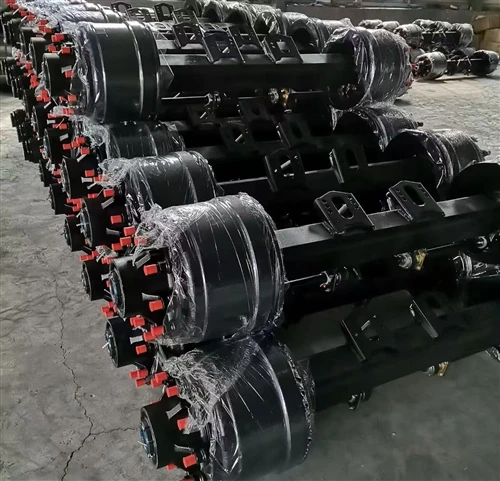
The Trailer Hydraulic Suspension is another option. Although typically used for trailers, it can offer a smooth and stable ride in a convertible. It is known for its ability to handle uneven road surfaces and distribute weight evenly.
The Hydraulic - pneumatic Suspension combines the benefits of hydraulic and pneumatic systems. It uses both hydraulic fluid and compressed air to provide a more sophisticated and responsive suspension. This type of suspension is often found in high - end convertibles, as it offers excellent ride quality and handling.
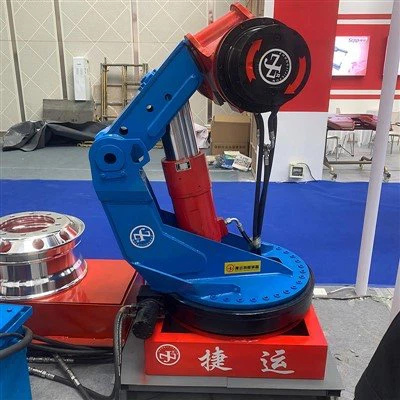
The Double - arm Hydraulic Support Suspension is designed to provide extra support and stability. It features a double - arm structure that can better resist lateral forces, making it ideal for convertibles that are driven aggressively or in challenging conditions.
The Hydro - pneumatic Suspension is similar to the hydraulic - pneumatic suspension. It uses a combination of hydraulic fluid and gas to provide a comfortable and controlled ride. This type of suspension is known for its ability to absorb shocks and vibrations effectively.
Maintenance and Troubleshooting of Hydraulic Suspension in Convertibles
Proper maintenance is crucial for the longevity and performance of the hydraulic suspension system in a convertible. Regularly checking the hydraulic fluid level in the reservoir is essential. If the fluid level is low, it may indicate a leak in the system, which should be addressed immediately.
The hydraulic pumps should also be inspected regularly to ensure they are functioning properly. Over time, the pumps can wear out or become clogged, which can affect the performance of the suspension system.
In terms of troubleshooting, if the convertible experiences a rough ride or excessive bouncing, it could be a sign of a problem with the hydraulic suspension. This could be due to a faulty valve, a damaged cylinder, or a problem with the fluid flow. It is important to have a professional mechanic diagnose and repair any issues with the hydraulic suspension system.
Conclusion and Call to Action
Hydraulic suspension systems have transformed the driving experience of convertibles. They offer improved ride quality, enhanced handling, and adjustability, making them a popular choice for convertible owners. As a hydraulic suspension supplier, we are committed to providing high - quality suspension systems that meet the needs of convertible manufacturers and enthusiasts.
If you are interested in learning more about our hydraulic suspension products or are considering purchasing a system for your convertible, we invite you to reach out to us for a detailed discussion. Our team of experts is ready to answer your questions and guide you through the selection and procurement process.
References
- Automotive Suspension Design: Principles and Analysis by Tim Gillespie
- Hydraulic Systems Technology by Robert L. Mott