When it comes to the longevity of a Brake Pad Assembly, numerous factors come into play, and understanding these elements is crucial for both vehicle owners and industry professionals. As a Brake Pad Assembly supplier deeply entrenched in this field, I've witnessed firsthand the diverse scenarios that impact the lifespan of these essential components.
Factors Affecting Brake Pad Assembly Lifespan
Driving Habits
One of the most significant factors influencing how long a Brake Pad Assembly lasts is the driver's habits. Aggressive driving, characterized by frequent hard braking, short - distance stop - and - go traffic, and high - speed driving with sudden decelerations, can significantly reduce the lifespan of brake pads. Each time a driver slams on the brakes, the brake pads experience intense friction against the rotors. This friction generates heat, which not only wears down the brake pad material more rapidly but also can cause glazing. Glazing is a process where the surface of the brake pad becomes smooth and hard, reducing its ability to grip the rotor effectively.
On the other hand, defensive driving techniques, such as anticipating stops and gradually applying the brakes, can extend the life of brake pads. By reducing the force and frequency of braking, the wear on the brake pads is minimized. A driver who engages in long - distance highway driving with fewer stops and starts will likely find that their brake pads last longer compared to someone who commutes in a congested urban area.
Vehicle Type and Weight
The type and weight of the vehicle also play a crucial role. Larger and heavier vehicles, such as trucks and SUVs, place more stress on the Brake Pad Assembly. More force is required to stop a heavier vehicle, which means the brake pads must work harder and endure greater pressure. As a result, brake pads on these vehicles typically wear out faster than those on smaller, lighter cars.
For instance, a fully loaded semi - truck may have brake pads that need replacement more frequently than a compact sedan. Additionally, performance vehicles often have high - performance brake systems designed to handle rapid deceleration, but the increased braking power also means more wear on the brake pads during normal use.
Quality of the Brake Pad Assembly
The quality of the Brake Pad Assembly itself is a determining factor. At [Your Bragging Moment], we take pride in manufacturing high - quality brake pads using premium materials. We source the best friction materials that are designed to withstand high temperatures and provide consistent braking performance.
Low - quality brake pads may be made from inferior materials that wear out quickly, or they may not be properly engineered to fit the vehicle's braking system. These substandard products can lead to premature failure, reduced braking efficiency, and potentially dangerous driving conditions. Investing in a high - quality Brake Pad Assembly, such as the ones available at Brake Pad Assembly, can ensure a longer lifespan and better overall performance.
Environmental Conditions
Environmental factors can also impact the lifespan of brake pads. Driving in areas with high humidity, saltwater exposure (near the coast), or dusty environments can accelerate wear. Moisture can cause the brake pads to rust, especially if the vehicle is not used regularly. This rust can damage the surface of the brake pads and reduce their effectiveness.
In dusty environments, fine particles can get between the brake pads and rotors, acting as an abrasive and wearing down the brake pad material more quickly. Conversely, driving in areas with extreme cold can also have a negative impact on brake pad performance. Cold temperatures can make the brake pad material more brittle, increasing the likelihood of cracking and premature wear.
Average Lifespan of Brake Pad Assemblies
On average, brake pads can last anywhere from 25,000 to 70,000 miles, but this is a very broad estimate. As mentioned earlier, the actual lifespan depends on the factors discussed above. For drivers with a gentle driving style in a small, lightweight vehicle, it's possible for brake pads to last up to 70,000 miles. However, aggressive drivers in heavy vehicles may find that they need to replace their brake pads as early as 25,000 miles.
It's important for vehicle owners to monitor their brake pad wear regularly. Most modern vehicles are equipped with brake wear indicators that emit a high - pitched squeal when the brake pads are approaching the end of their lifespan. Additionally, visually inspecting the brake pads during routine maintenance can also provide valuable insight into their condition.
Related Brake Components and Their Impact on Brake Pad Assembly Lifespan
Axle Brake Hub
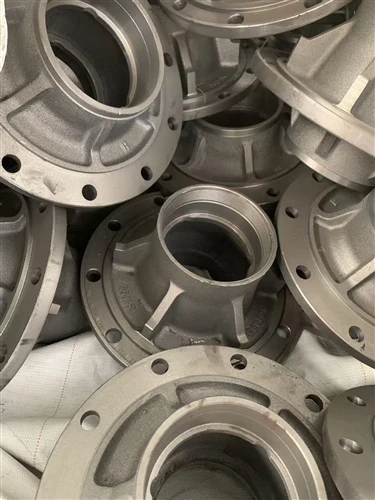
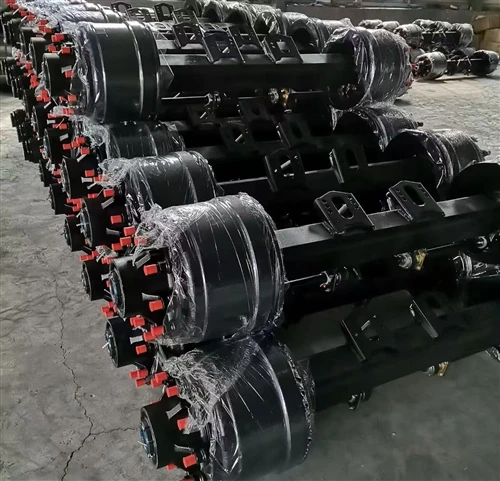
The Axle Brake Hub is an important part of the braking system that houses the brake pads and other components. A damaged or worn - out axle brake hub can cause uneven wear on the brake pads. If the hub is not centered properly or has excessive play, the brake pads may not make even contact with the rotor, leading to uneven wear and potentially reducing the lifespan of the brake pad assembly.
Axle Wheel Hub
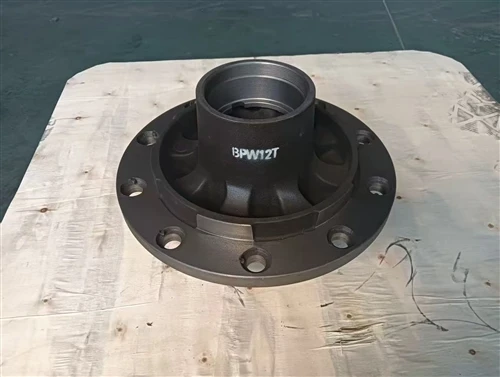
The Axle Wheel Hub is responsible for supporting the wheel and allowing it to rotate smoothly. A faulty axle wheel hub can put additional stress on the brake system, including the brake pads. If the hub bearing is worn or damaged, it can cause vibrations and misalignment, which can increase the wear on the brake pads.
Axle Dust Cover
The Axle Dust Cover protects the braking components from dirt, dust, and debris. A damaged or missing dust cover can allow contaminants to enter the braking system, which can accelerate the wear of the brake pads. For example, dirt and debris can get between the brake pads and the rotors, causing abrasion and premature wear.
Air Chamber Connecting Fork
In air - brake systems, the Air Chamber Connecting Fork is a critical component in transmitting the braking force. A malfunctioning air chamber connecting fork can lead to improper brake application, causing the brake pads to wear unevenly or excessively. If the fork is bent or damaged, it may not transfer the force evenly to the brake pads, resulting in reduced braking efficiency and shorter brake pad life.
Importance of Regular Maintenance
Regular maintenance is key to ensuring the longevity of the Brake Pad Assembly and the overall safety of the vehicle. This includes having the brakes inspected by a professional mechanic at least once a year or as recommended by the vehicle manufacturer. During these inspections, the mechanic can check the thickness of the brake pads, the condition of the rotors, and the functionality of the other braking components.
Proper maintenance also involves keeping the braking system clean. This can help prevent the build - up of dirt, rust, and debris that can cause premature wear. Additionally, replacing worn - out components promptly can prevent further damage to the brake pad assembly and other parts of the braking system.


Contact for Purchase and Consultation
If you're in the market for high - quality Brake Pad Assemblies or need more information about their lifespan and maintenance, feel free to reach out. We're here to answer all your questions and provide the best solutions for your braking needs. Whether you're an individual vehicle owner or a business in the automotive industry, we can offer the expertise and products you require.